
Part feasibility review
Review the hollow geometry, section changes, local expansion, starting-tube condition, and critical interfaces to determine whether tube hydroforming is suitable.
Hydroforming capabilities and project review
If you are developing a hollow metal part, send a drawing, 3D model, or sample. We will review the geometry, material, starting tube, and delivery requirements, then recommend the most practical place to begin.
You can order hydroforming only, or include die development, tryout parts, and volume production in the same project.
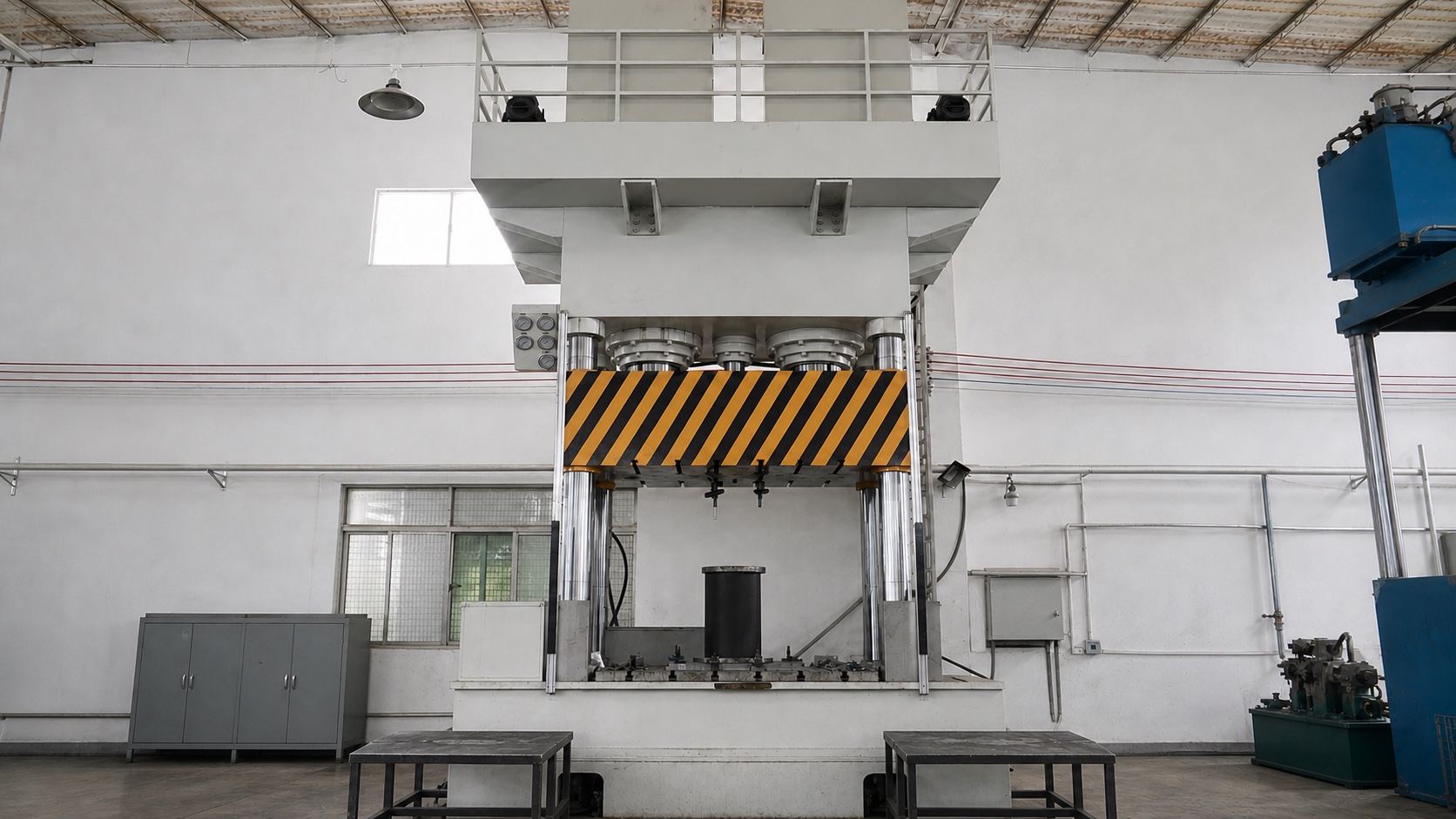
Available services
Whether you have a new part, an existing die, or a released production drawing, we can begin from the stage you have already reached.
Review the hollow geometry, section changes, local expansion, starting-tube condition, and critical interfaces to determine whether tube hydroforming is suitable.
Develop dedicated tooling around the agreed component, material, starting tube, forming route, and sample-confirmation objective.
Use physical tryout parts to check the formed shape, critical dimensions, and interfaces before adjustment or production.
Hydroform customer-supplied or mutually confirmed blanks and deliver the parts in the agreed condition.
If you plan to establish hydroforming capability in your own factory, equipment, dies, and related tooling can also be supplied as a separate project.
How we can work together
Choose hydroforming as a single operation, or connect die development, tryout, and later production. We will recommend an approach based on the drawings, tooling, and samples you already have.
Provide a drawing, 3D model, sample photographs, or a physical part, together with material, starting-tube condition, quantity, and delivery requirements.
We review the forming route and confirm whether the project needs die development, tryout samples, contract hydroforming, or equipment and tooling.
Depending on the project, you receive tryout samples, volume-production parts, tooling, or equipment. The exact deliverables are confirmed before quotation.
Prepare your project information
The information does not need to be complete on day one. Clearer geometry, material, interfaces, and quantities simply lead to a more accurate first review.
Show the cross-section transitions, local expansion, non-round regions, integrated hollow features, and areas that must remain unchanged.
Specify grade, condition, tube dimensions, seam condition, wall thickness, and any bending or preforming already completed.
Identify end conditions, holes, trim, assembly locations, datums, and the dimensions or functions that require confirmation.
State sample quantity, expected production volume, drawing status, later operations, and how you want the parts delivered.
A material family being hydroformable does not mean every grade can enter ShuiYiYuan’s current production route. Our confirmed routine materials remain Q235B carbon steel, stainless steel, aluminum alloy, high-strength steel, and copper for applicable manifold components, with an incoming wall-thickness range of 2–6 mm inclusive. Grade, temper, seam condition, heat treatment, temperature, expansion ratio, and equipment are reviewed per project.
After you send the part data
We start from the stage your project has already reached, so completed work does not need to be repeated.
Check drawings, models, samples, material, starting-tube condition, quantity, and delivery requirements.
Confirm whether the project needs feasibility review, tooling, tryout, contract hydroforming, equipment, or volume production.
Assess the target geometry, material flow, major section changes, interfaces, tooling concept, and sample objective.
Complete the agreed die or equipment work, tryout, physical parts, and sample confirmation.
After the sample, starting tube, and drawing revision are confirmed, production follows the agreed quantity and delivery requirements.
Before sending an RFQ
You can contact us even if the information is not complete. We can begin with the drawings, model, or physical part you already have.
No. A 2D drawing, 3D model, sample photographs, or an existing physical part can start the discussion. Clearly mark which dimensions and interfaces are fixed and which are still open.
Yes. Send the die information, current part, known issues, starting material, and the result you need. We will check whether the die can be reused or needs modification.
The current confirmed capability covers starting tubes and blanks with wall thicknesses from 2 to 6 mm, inclusive. Suitability still depends on material, geometry, tube condition, and the required expansion.
No. Filling, pressurization, any agreed pressure hold, and observation for obvious leakage are limited to the closed-die forming cycle. ShuiYiYuan does not provide independent finished-product hydrostatic testing, rated-pressure verification, quantified leak-rate testing, or system certification.
Start the evaluation
After reviewing the information, we will share an initial feasibility opinion and recommend whether to begin with route review, die development, tryout samples, contract hydroforming, or volume production.